


Mortgage Rates Jump Again as Oil Prices and Inflation Fears Shake Markets
- Michael Belfor

- 17 hours ago
- 2 min read
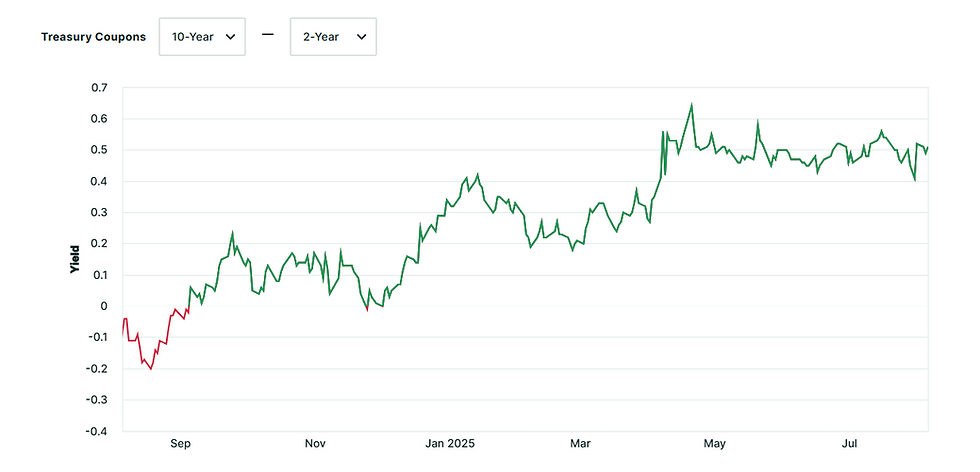
Mortgage rates moved sharply higher this week as global markets reacted to rising oil prices, inflation concerns, and continued uncertainty surrounding Iran and the Strait of Hormuz.
The bond market experienced one of its worst selloffs in months, pushing the 10-year Treasury yield above 4.55% — levels not seen since last year. Mortgage-backed securities also dropped significantly, creating another wave of worsening mortgage pricing.
So what’s causing this?
The short answer is energy and inflation.
Markets are increasingly concerned that disruptions to global oil shipping could keep inflation elevated much longer than previously expected. If energy prices remain high, transportation costs rise, consumer prices stay sticky, and the Federal Reserve becomes much less likely to cut rates anytime soon.
That creates pressure on long-term borrowing costs like mortgages.
This week also marked the first official days of Kevin Warsh as Federal Reserve Chair. Investors are still trying to understand how aggressive the Fed may become under new leadership. Right now, markets appear to believe the Fed may need to remain tougher on inflation than previously expected.
Meanwhile, housing continues facing affordability pressure.
Higher rates are keeping many buyers cautious, while sellers are slowly becoming more flexible. Inventory has improved in several parts of the country, but affordability remains the largest issue for most consumers.
The important thing to understand is this:
Markets are no longer reacting mainly to traditional housing data. They are reacting to:
• Oil prices
• Inflation expectations
• Geopolitical developments
• Treasury market volatility
And until those stabilize, mortgage rates are likely to remain volatile.
That does not mean opportunities disappear.
In fact, many buyers now have more negotiating power than they’ve had in years. Sellers are offering credits again. Inventory is improving. And many homeowners continue holding substantial equity positions that can still create financial flexibility through refinancing or HELOC strategies.
This remains a market where planning matters more than trying to perfectly predict rates.


Comments